Bhaktapur's Juju Dhau Production Surges Ahead of Asar 15 Festival
Production of the famous Bhaktapur Juju Dhau has increased significantly ahead of the Asar 15 (National Paddy Day) festival, as demand for curd and beaten rice traditionally rises across Nepal.
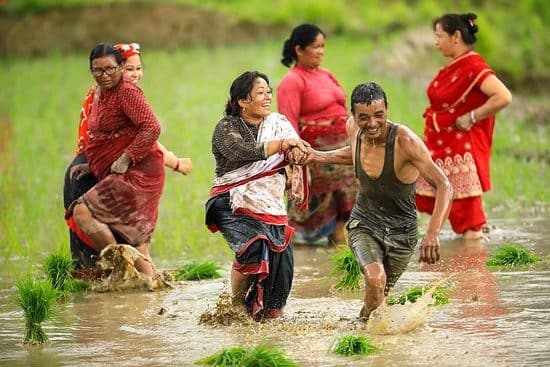
As Nepal celebrates Asar 15, the traditional festival of eating curd and beaten rice (Dahi-Chiura), the production of the famous Juju Dhau in Bhaktapur has increased considerably to meet rising consumer demand.
At Saiju Juju Dhau, located in Chyamhasingh, Bhaktapur-8, workers have been preparing larger quantities of the traditional delicacy than on ordinary days. Producers say the seasonal surge in demand requires significantly more fresh milk to be processed into Juju Dhau.
The preparation process begins by boiling fresh milk at the required temperature before allowing it to cool. The milk is then poured into plastic containers or traditional clay pots and left to ferment under controlled temperatures. Within five to six hours, it transforms into the rich, creamy yogurt known as Juju Dhau.
According to producers, clay pots absorb excess moisture, giving the yogurt its distinctive thickness, rich flavor, and superior quality. This traditional preparation method, combined with the use of pure fresh milk, has helped Bhaktapur's Juju Dhau earn its reputation as Nepal's "King of Yogurt."
With thousands of families observing the Asar 15 tradition, production facilities have been operating from early morning to ensure adequate supply for the festive demand.
Beyond the festival, Juju Dhau also holds cultural significance in the Newar community, where it is considered an essential part of Sagun, a ceremonial offering presented during birthdays, weddings, successful journeys, achievements, and other auspicious occasions. Bhaktapur is currently home to nearly 60 Juju Dhau producers, preserving one of Nepal's most celebrated culinary traditions.