Daunne Road Project Nears Completion; Concrete Pavement Expected to Last at Least 30 Years
The Daunne section of the East-West Highway is in its final construction phase, with the newly constructed concrete road expected to last at least 30 years.
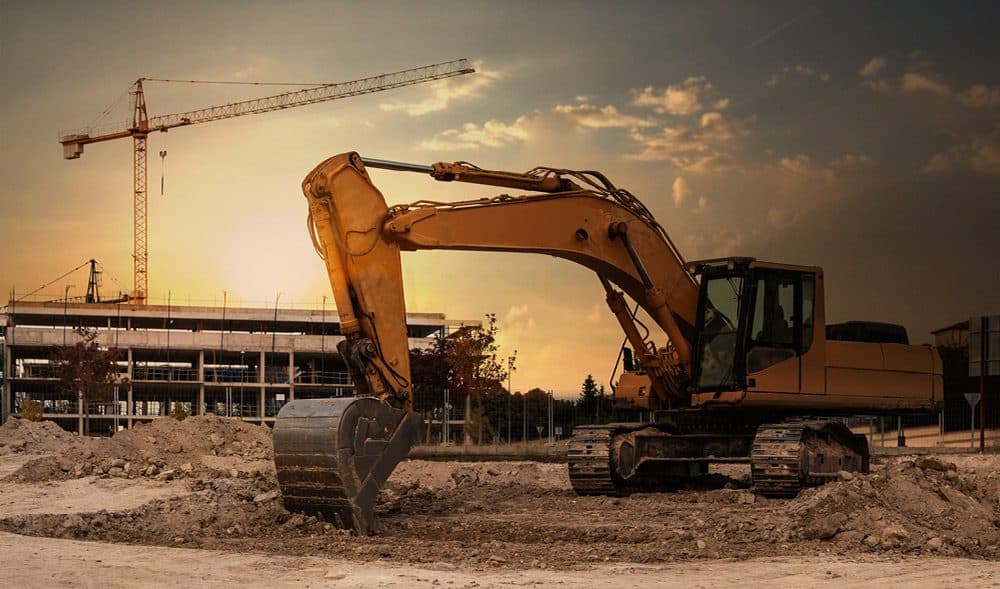
Construction work on the Daunne section of Nepal's East-West Highway has entered its final phase, with project officials claiming that the concrete pavement will have a minimum lifespan of 30 years.
According to Chudaraj Dhakal, Project Director at the Department of Roads' Project Directorate (ADB), concrete pavement was selected instead of asphalt due to Daunne's challenging terrain and heavy traffic volume. He said the road could remain durable for up to 40 years if axle load limits are maintained and all design standards are properly followed.
Dhakal stated that the road has been designed to support an axle load of up to 10 tons per wheel. The project has also been planned based on traffic forecasts for the next 20 to 30 years, allowing between 12,000 and 20,000 vehicles to use the road daily without causing significant structural damage.
Currently, only about 50 meters of one-way concrete paving remains to be completed in the landslide-prone area below the Daunne Temple. Construction on the opposite side has already been completed, and traffic is operating normally.
The project adopted concrete pavement to address the recurring deterioration associated with asphalt roads. Officials believe the upgraded road will provide a long-term solution to the annual traffic disruptions and maintenance issues that have affected the Daunne section, particularly during the monsoon season.