Gagan Thapa Says New Budget Increases Financial Burden on Nepal’s Middle Class
Nepali Congress President Gagan Thapa has argued that the government's claim of providing relief to the middle class through the new fiscal budget is misleading
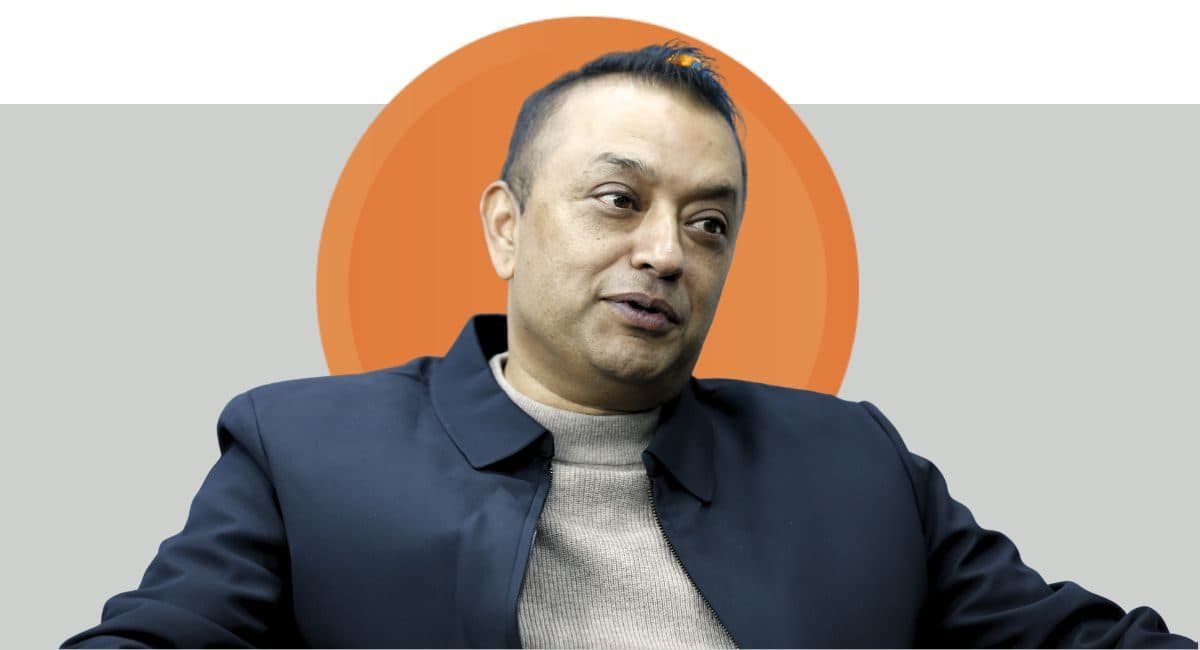
Nepali Congress President Gagan Thapa has criticized the government's budget for the upcoming fiscal year, stating that it does not genuinely benefit the middle class despite claims of tax relief.
Speaking at the inaugural session of the "Subarna Shamsher Economic Series" organized by the Nepali Congress Policy and Research Institute in Sanepa, Thapa said that while the government has promoted increased income tax thresholds as relief measures, additional taxes and charges imposed on education, healthcare, electricity, and other services will ultimately place a greater financial burden on citizens.
He argued that private education and healthcare have become necessities rather than luxuries due to the state's inability to provide quality public services. Therefore, imposing additional taxes and fees on these sectors is unjustified.
Using a middle-class household earning Rs. 60,000 per month as an example, Thapa stated that any savings gained through income tax relief would be outweighed by higher education fees, healthcare expenses, electricity charges, and other indirect taxes. According to him, the overall financial burden on families will increase rather than decrease.
Thapa remarked that the government appears to have "put Rs. 20,000 into the front pocket while taking Rs. 32,000–34,000 out of the back pocket," highlighting what he sees as a contradiction in the budget's stated objectives.
He further argued that expanding the middle class requires lifting lower-income groups into higher income brackets rather than imposing additional costs on existing middle-income households. Given current economic conditions, he believes the budget fails to provide meaningful relief.
Questioning the government's revenue targets, Thapa noted that economic activity remains sluggish, real estate transactions have declined, and excess liquidity continues to persist in the banking sector. Under such circumstances, he said expectations of significant revenue growth appear unrealistic.
On public debt management, Thapa emphasized that the productive use of borrowed funds matters more than the total size of debt. He also criticized the allocation for agricultural fertilizer subsidies as insufficient and argued that the government has not paid adequate attention to structural reforms such as land banking, land-use policy implementation, and private-sector-led development in the information technology sector.
Thapa concluded by stating that the Nepali Congress would support government initiatives that serve long-term national interests but would strongly oppose any attempts to misuse laws or policies to benefit special interest groups.