Nepal Can Move From ‘Make in Nepal’ to ‘Made in Nepal’ in 5–10 Years: Saurabh Jyoti
Entrepreneur Saurabh Jyoti says Nepal can move its automobile industry from assembly-based ‘Make in Nepal’ to locally manufactured ‘Made in Nepal’ products within 5–10 years by developing domestic components and strengthening the industrial supply chain.
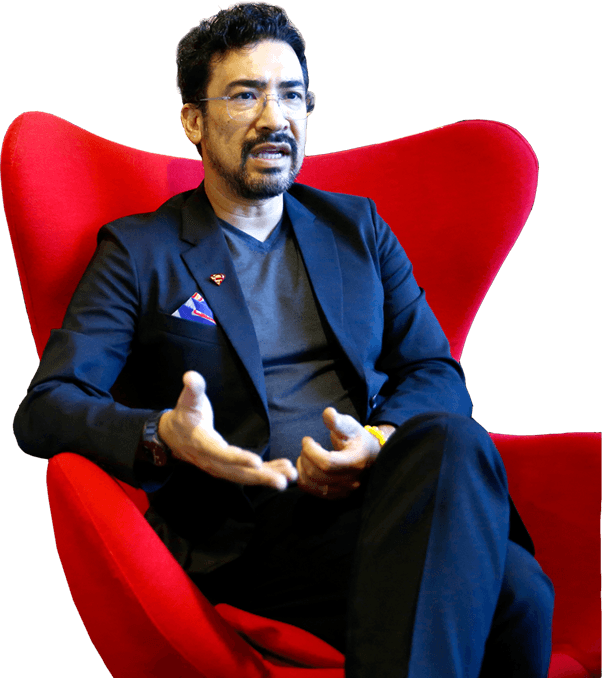
Entrepreneur and NADA founder Saurabh Jyoti has said Nepal can transition from ‘Make in Nepal’ to ‘Made in Nepal’ in the automobile sector within the next five to ten years.
Speaking at a discussion held during NAIma Mobility Expo 2026, Jyoti said Nepal’s automobile industry has made progress in vehicle assembly but now needs to focus on increasing domestic production of parts, components and other materials.
According to Jyoti, importing components and assembling vehicles domestically is a natural first step in the industrialization process. As the industry matures, more components and materials can gradually be produced within Nepal.
He described ‘Make in Nepal’ as the first stage of industrialization, saying the country could move toward ‘Made in Nepal’ products over the next five to ten years.
More than a dozen assembly plants have already been established in Nepal, according to Jyoti. Hyundai operates an automobile assembly facility, while motorcycles and scooters from several major brands are also being assembled locally.
However, he emphasized that assembly alone is not enough to achieve meaningful industrialization. Nepal needs to develop domestic component manufacturing and a stronger local supply chain.
He also called for consistent industrial policies, clear timelines and a stable investment environment to encourage manufacturers to increase local production.
Jyoti said the automobile sector has become an important contributor to Nepal’s economy and government revenue. He also highlighted the growing adoption of electric and other clean-energy vehicles, saying policies encouraging cleaner transportation could help reduce dependence on imported fuel.
He further noted that the expansion of the automobile industry is contributing to employment and technical skills development. More Nepali workers are now taking responsibilities in areas ranging from management and production to quality testing.
However, Nepal continues to face a skills mismatch, with companies sometimes needing skilled workers from abroad while many Nepali skilled workers leave the country for employment opportunities.
Jyoti attributed part of the problem to the gap between educational institutions and the private sector. He called for academic curricula to be better aligned with the practical skills demanded by industries.
He also stressed the importance of respecting private-sector entrepreneurs, protecting investment and maintaining policy stability, arguing that these measures could help Nepal achieve stronger industrial and economic growth over the next decade.