Nepal Revises EV Tax Structure, Electric Vehicles to Face Higher and Tiered Tax Rates
The government has significantly revised the tax structure on electric vehicles (EVs) in the new budget presented by Finance Minister Dr. Swarnim Wagle.
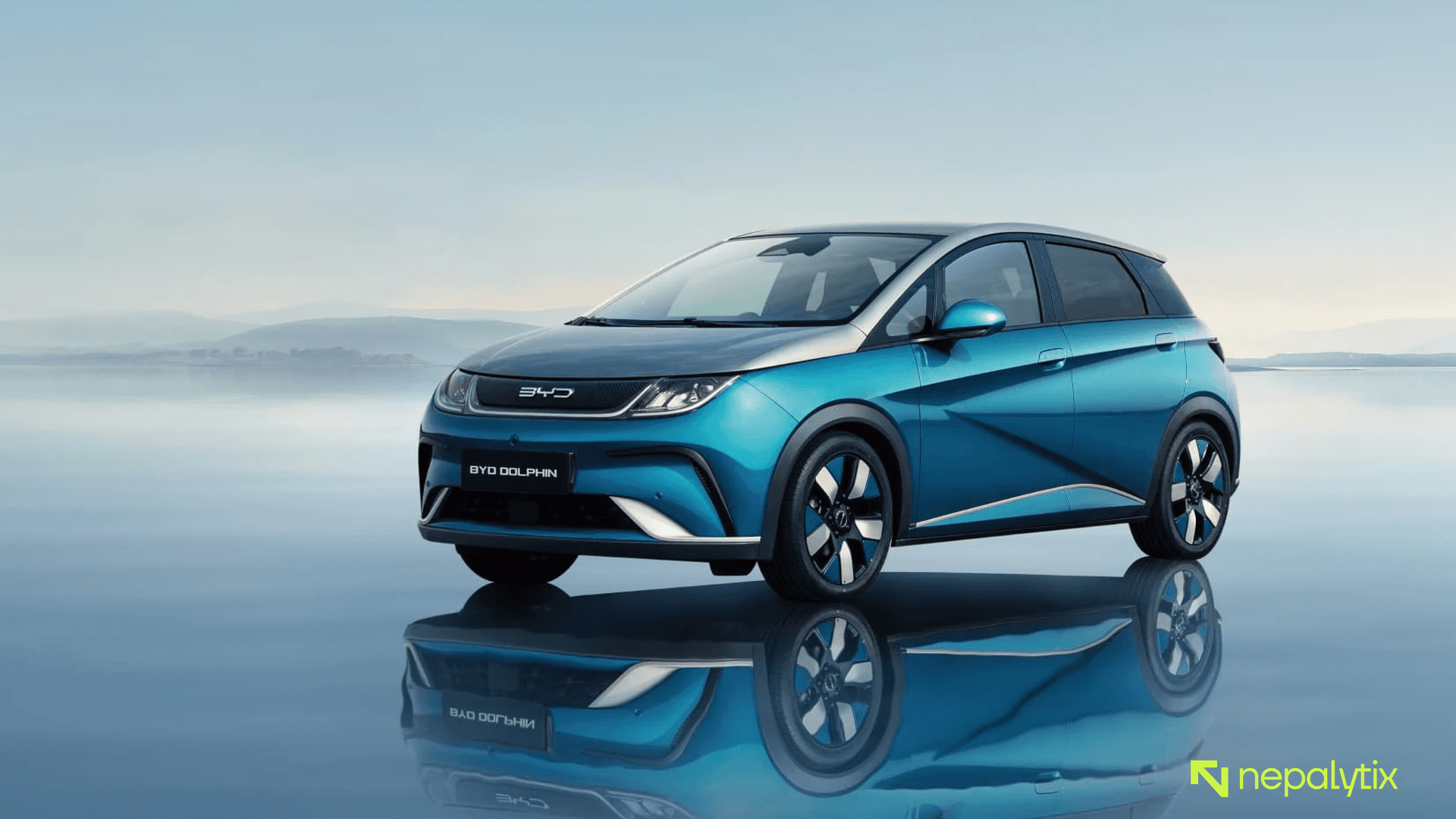
The Government of Nepal has introduced major changes to the tax structure of electric vehicles (EVs) through the fiscal year 2083/84 budget, presented by Finance Minister Dr. Swarnim Wagle.
Under the new arrangement, the earlier system of taxation based on motor capacity and seating configuration has been replaced with a more standardized structure combining customs duty, infrastructure development tax, road construction fee, and VAT.
According to the new policy, all electric vehicles will now be subject to a flat 20 percent customs duty, along with a 13 percent value added tax (VAT), which remains unchanged.
In addition, a 5 percent road construction fee will be applied to all electric vehicles. A new “clean infrastructure investment fee” has also been introduced, replacing the previous motor-based excise duty system.
The infrastructure fee varies depending on the customs value of the vehicle. EVs priced below Rs. 2 million will attract a lower rate of 2.5 percent, while vehicles in higher price brackets face progressively higher rates, reaching up to 130 percent for premium segments above Rs. 5 million.
When combined, the total tax burden on electric vehicles now varies significantly by price segment. For example, total effective taxation is estimated at around 45.94 percent for vehicles under Rs. 2 million, and can rise above 200 percent for high-end EVs once all layers of tax are applied.
The government has also restructured taxation for passenger vehicles such as minibuses and microbuses, moving away from the previous seating-based system that allowed different rates for 11–14 seat and 15–25 seat categories.
Under the revised system, vehicles with 11 to 25 seats will now fall under a unified tax bracket. Electric buses in this category will be subject to a 10 percent tax structure, while larger buses above 25 seats will face a 5 percent excise duty.
Officials say the restructuring aims to reduce tax evasion, eliminate classification manipulation, and create a more transparent and uniform taxation system in the automobile sector.
The government has also provided certain concessions, including a 1 percent customs exemption for large electric buses above 25 seats and a 2.5 percent infrastructure fee on all electric three-wheelers.