RSP Proposes Seven-Point Monetary Policy Reform Agenda for FY 2083/84
The Rastriya Swatantra Party (RSP) has submitted a seven-point recommendation for Nepal’s upcoming monetary policy, focusing on share-backed lending reforms, institutional investment, liquidity management, and capital market development.
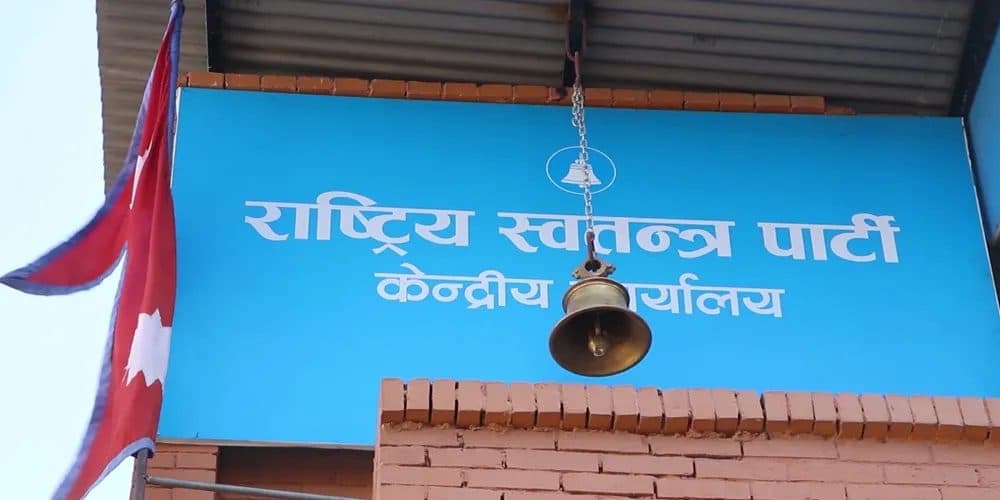
Rastriya Swatantra Party has submitted a seven-point recommendation to Nepal Rastra Bank for the monetary policy of fiscal year 2083/84.
The proposals focus on improving share-backed lending, enhancing liquidity, mobilizing institutional funds, implementing centralized KYC and digital integration, maintaining predictable interest rates, introducing margin trading and new financial instruments, reforming microfinance dividend policies, and increasing credit flow within the banking sector.
Regarding share-backed loans, RSP has suggested adopting differentiated Loan-to-Value (LTV) ratios based on the financial strength and performance of listed companies. It has also proposed setting lending limits based on overall credit exposure and relaxing certain restrictions on banks and financial institutions investing in the capital market.
The party further recommended increasing participation from institutional investors such as the Employees Provident Fund, Social Security Fund, Citizen Investment Trust, and mutual funds to strengthen long-term market stability.
In addition, RSP has proposed allowing qualified brokerage firms to issue short-term debt instruments, enabling short-term lending against margin receivables, and removing the dividend distribution cap imposed on microfinance institutions.
According to the party, these measures would support financial sector development, improve market liquidity, and strengthen Nepal’s capital market ecosystem.