Shortlist Published for Vice-Chancellor Appointments at Eight Universities
The shortlist of candidates for Vice-Chancellor positions at eight public universities has been made public.
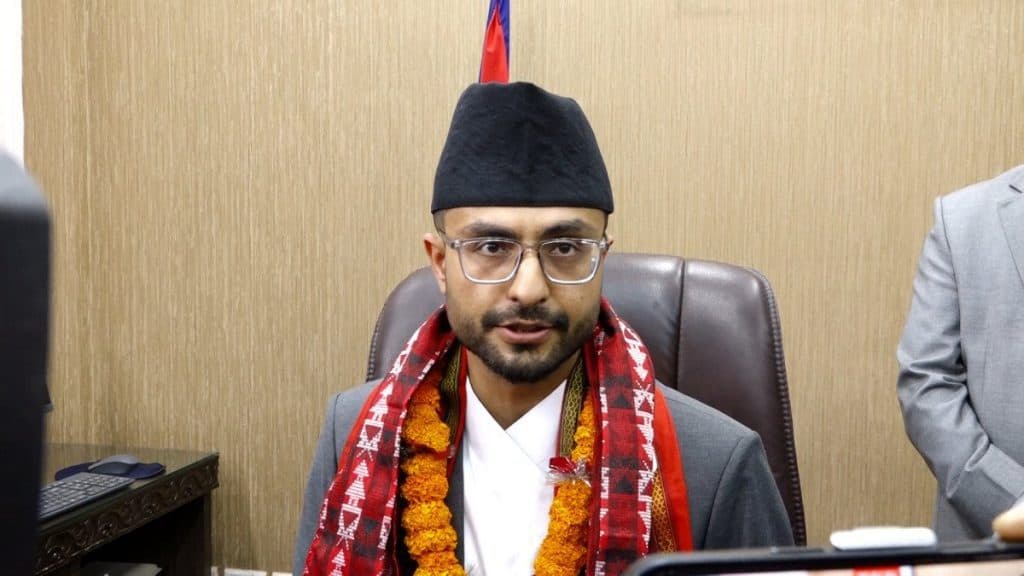
The government has published the shortlist of candidates for Vice-Chancellor appointments at eight universities across Nepal.
The shortlist was approved during a meeting of the Selection and Recommendation Committee held on Friday. The universities involved include Tribhuvan University, Pokhara University, Purbanchal University, Lumbini Buddhist University, Agriculture and Forestry University, Mid-West University, Far Western University, and Rajarshi Janak University.
The Vice-Chancellor appointment process has been initiated through a unified system for the first time under the “Integrated Procedure for Selection and Recommendation of Vice-Chancellors of Universities, 2083.”
According to the shortlist, 10 candidates each have been shortlisted for Tribhuvan University, Purbanchal University, Pokhara University, Rajarshi Janak University, Mid-West University, and Agriculture and Forestry University. Lumbini Buddhist University has seven shortlisted candidates.
The committee has invited feedback and suggestions regarding shortlisted candidates until Jestha 25, 2083. The final recommendation process will proceed based on public feedback and evaluation results.
A total of 218 applications were submitted for the vacant Vice-Chancellor positions. The shortlist was prepared based on scores assigned by an expert panel formed under the recommendation committee.
The government had called for applications on Baisakh 24 to fill vacant Vice-Chancellor positions at the eight universities. Following an initial review of applications, eligible candidates were approved for further evaluation.
The recommendation committee, chaired by Education Minister and Pro-Chancellor Sasmita Pokharel, was formed by Prime Minister and University Chancellor Balen Shah. According to the Ministry of Education, an expert subcommittee conducted evaluations and rankings that formed the basis of the shortlist.
Officials say the new procedure is designed to strengthen transparency, merit-based selection, and procedural fairness in the appointment of university leadership.