Yen Falls to Nearly 40-Year Low Against Dollar, Japan Signals Possible Market Intervention
The Japanese yen has fallen to its weakest level in nearly four decades against the US dollar, prompting Tokyo to signal possible intervention in the foreign exchange market.
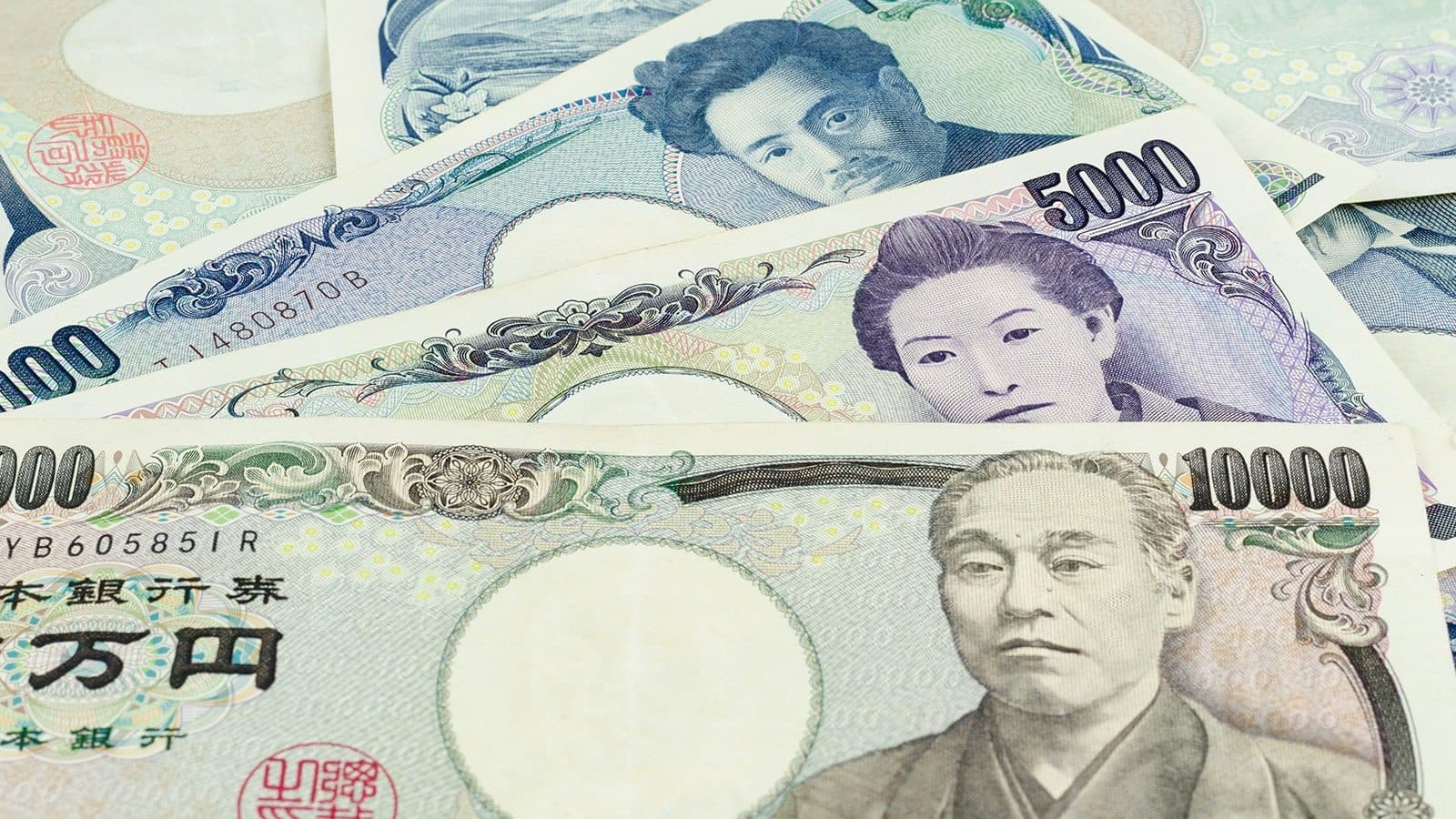
The Japanese yen has fallen to its lowest level in nearly 40 years against the US dollar, prompting the Japanese government to signal that it may intervene again in the foreign exchange market.
Finance Minister Satsuki Katayama said Tokyo is ready to take “decisive action” if necessary. The yen has come under sustained pressure due to geopolitical tensions in the Middle East, widening interest rate differentials between the US and Japan, and long-term monetary policy divergence.
Following discussions with US Treasury Secretary Scott Bessent, both sides reportedly agreed on the need for coordinated action if required. Japan had already spent more than $70 billion last month to support the yen.
The currency briefly weakened to around 161.93 per dollar before recovering slightly to about 161.60 yen in Tokyo trading, marking one of its weakest levels since 1996.
The weak yen has increased import costs for energy and raw materials, adding pressure on Japan’s domestic economy. However, it has also boosted tourism, as Japan has become more affordable for foreign visitors.
Analysts say narrowing the interest rate gap with the US and adopting a more aggressive monetary stance from the Bank of Japan would be necessary for long-term stabilization.
The Bank of Japan recently raised interest rates to a 31-year high, while the US Federal Reserve has also signaled further tightening. However, concerns remain that higher borrowing costs could slow Japan’s economic growth.