Tourism’s Role in Nepal’s GDP: Is the Sector Recovering?
Tourism boosts Nepal’s GDP, jobs, and forex earnings; recovering post-pandemic but still facing challenges.
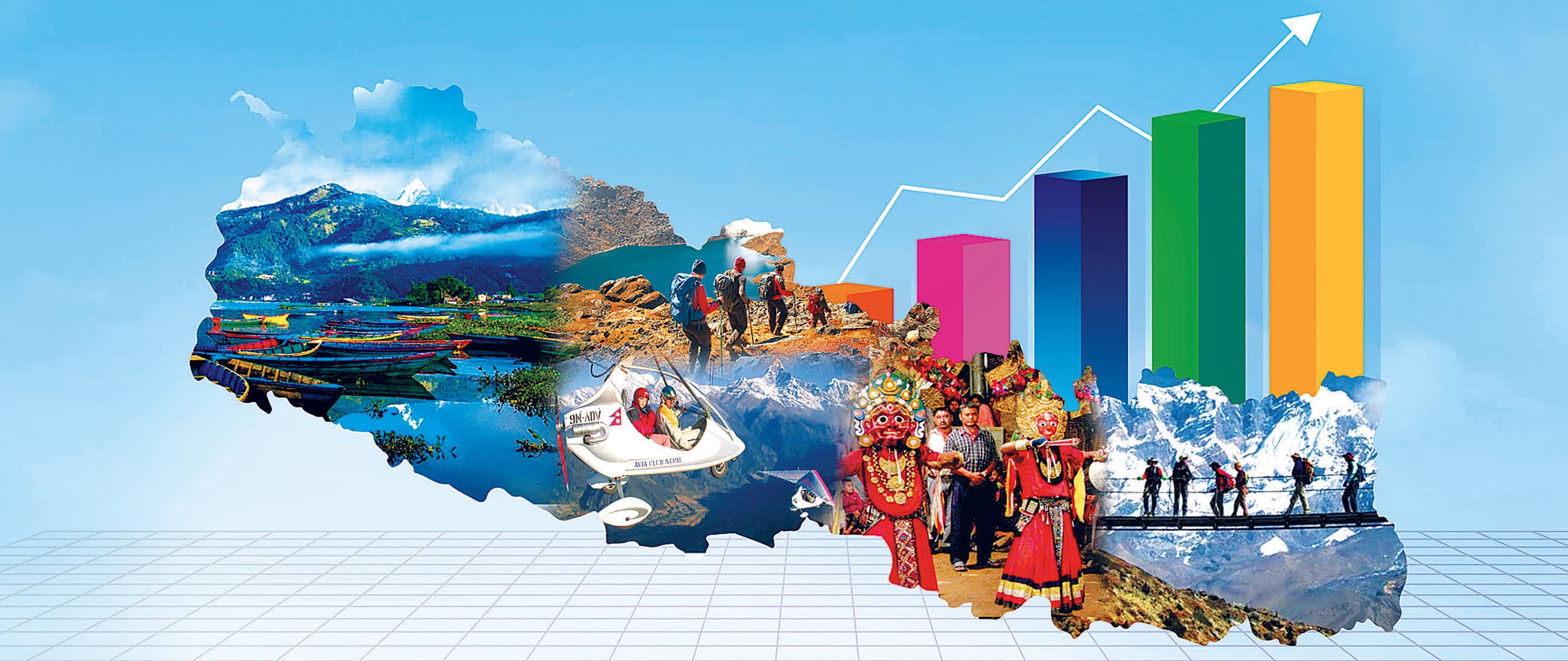
1. Introduction
Tourism is more than just scenic mountains and cultural heritage—it is a vital pillar of Nepal’s economy.
From the Himalayan trekking trails to the bustling streets of Kathmandu, the tourism sector contributes significantly to GDP, employment, and foreign currency earnings.
Before COVID-19, tourism was growing steadily, attracting over 1.19 million visitors in 2019. However, the pandemic brought an unprecedented collapse, raising the question: Is Nepal’s tourism sector really recovering?
2. Tourism’s Contribution to Nepal’s GDP
According to the World Travel & Tourism Council (WTTC):
In 2019, tourism accounted for around 7.9% of Nepal’s GDP.
The sector directly and indirectly supported over 1 million jobs.
Foreign exchange earnings from tourism exceeded NPR 75 billion.
Tourism impacts the economy through:
Direct spending: Hotels, trekking permits, attractions.
Indirect spending: Transport, agriculture, handicrafts.
Induced spending: Local businesses benefiting from tourism income.
3. How COVID-19 Affected the Sector
Visitor arrivals dropped by more than 80% in 2020.
Hotel occupancy rates plummeted to single digits.
Thousands of tourism workers lost jobs or shifted to other sectors.
4. Signs of Recovery
4.1. Increased Arrivals in 2023-2024
Nepal welcomed over 1 million tourists in 2023, approaching pre-pandemic levels.
Major markets: India, China, USA, UK, and Australia.
4.2. Trekking and Adventure Tourism Boom
Popular routes like Everest Base Camp and Annapurna Circuit saw surging demand.
High-value niche tourism (mountaineering, luxury tours) gaining traction.
4.3. Domestic Tourism Growth
More Nepalis are traveling domestically, especially during festivals and holidays.
Internal tourism has helped sustain businesses between peak foreign seasons.
5. Key Drivers of Tourism Recovery
Eased travel restrictions and visa processes.
Promotional campaigns like “Visit Nepal Decade 2023–2033.”
Improved infrastructure, including airports and highways.
Growing interest in eco-tourism and wellness retreats.
6. Remaining Challenges
Inconsistent marketing abroad.
Infrastructure gaps in rural tourist spots.
Political instability affecting investor confidence.
Climate change impacting trekking seasons and natural attractions.
7. Tourism’s Role in Employment and Income
Trekking guides, hotel staff, transport operators, and artisans rely heavily on tourism.
The sector also stimulates micro and small businesses in rural areas.
8. Tourism and Foreign Exchange Earnings
Tourism is one of Nepal’s top foreign currency earners after remittances and exports.
Helps maintain balance of payments.
Reduces dependency on imports by creating domestic service-based revenue.
9. The Role of NEPSE and Tourism Stocks
Companies in hotels and tourism sector stocks often mirror tourism performance.
Examples: Soaltee Hotel, Taragaon Regency, Oriental Hotels.
Recovery in tourism often boosts their profitability and share prices.
10. Strategies to Ensure Sustainable Growth
10.1. Diversify Tourism Offerings
Cultural tours, adventure sports, medical tourism.
10.2. Invest in Infrastructure
Roads, airports, digital payment systems.
10.3. Strengthen Digital Marketing
Promote Nepal through global travel platforms and influencers.
10.4. Focus on Sustainable Practices
Limit overcrowding on trekking routes.
Promote renewable energy use in tourism facilities.
11. Government Initiatives
Tourism Policy 2023 prioritizes sustainability and quality services.
Public-private partnerships for resort development.
Training programs for hospitality workers.
12. Future Outlook
If political and economic stability is maintained, Nepal could exceed 2019 arrival records by 2026.
Opportunities lie in niche markets like luxury trekking, yoga retreats, and conference tourism.
Conclusion
Tourism remains a cornerstone of Nepal’s GDP, with the potential to drive sustainable economic growth. While the pandemic setback was severe, the sector is showing strong signs of recovery. By investing in infrastructure, diversifying tourism products, and promoting sustainability, Nepal can make tourism not just a source of income, but a force for long-term development.
💡 Pro Tip for Investors & Policymakers: Track tourism statistics closely—they are leading indicators for both NEPSE’s hotel sector performance and foreign exchange stability.
Disclaimer
This report has been prepared by Nepalytix for informational and educational purposes only and does not constitute investment advice, an offer, or a solicitation to buy or sell any securities.
The information contained in this report is based on sources believed to be reliable; however, Nepalytix does not guarantee its accuracy, completeness, or timeliness. Opinions, estimates, and projections expressed herein are those of the authors as of the date of publication and are subject to change without notice.
Investing in securities involves risks, including the possible loss of principal. Past performance is not indicative of future results. Readers are advised to conduct their own independent research and consult with a qualified financial advisor before making any investment decisions.
Nepalytix and its contributors may hold positions in the securities discussed in this report at the time of publication or thereafter.
Neither Nepalytix nor any of its affiliates accept any liability for any loss arising from the use of this report or its contents.