Nepal Spends Less Than 11% of Capital Budget Halfway Through Fiscal Year
Nepal’s capital expenditure remains weak midway through the fiscal year, reflecting administrative delays, stalled contracts, and project inefficiencies.
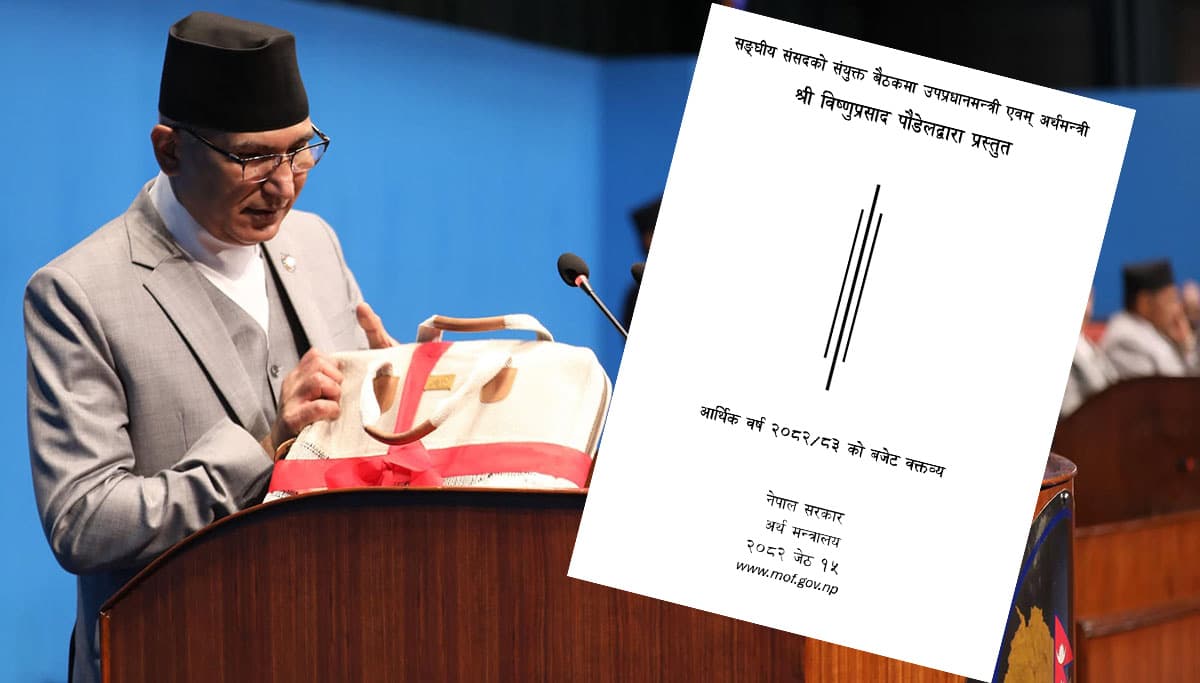
Nepal has spent less than 11% of its allocated capital budget as the current fiscal year approaches its midpoint, underscoring persistent challenges in budget execution and public project delivery.
According to the Ministry of Finance, the government allocated more than NPR 400 billion for capital expenditure in the current fiscal year. As of January 10, only NPR 43.6 billion had been spent, representing 10.69% of the total allocation. The figure marks a decline from the same period last fiscal year, when capital spending stood at NPR 53.58 billion, or 15.21% of the allocated budget.
Officials attribute the slower pace of spending to a combination of administrative disruptions, stalled procurement processes, and the termination of underperforming contracts. Finance Ministry spokesperson Tank Prasad Pandey said capital expenditure faced operational setbacks, particularly during periods when government offices were disrupted by broader administrative challenges.
Pandey noted that nearly six weeks of administrative inefficiencies affected the implementation of development projects. He added that while recurrent expenditure remains broadly on track, capital spending has lagged behind expectations. The finance ministry, he said, has since taken steps to support implementing agencies, expressing confidence that capital expenditure will improve in the coming months.
The government has also begun reviewing long-stalled construction contracts, particularly those where contractors failed to mobilize work for extended periods. Pandey said decisions taken on such “sick contracts,” in line with existing laws, are expected to have a positive impact on future infrastructure development.
Construction industry representatives, however, say deeper structural issues continue to slow project execution. Federation of Contractors’ Association of Nepal President Ravi Singh said several projects were initiated in the past without adequate preparation, creating difficulties for contractors during implementation.
Singh called for the cancellation of non-productive and unnecessary projects through mutual agreement between government offices and construction companies, as allowed under the Public Procurement Act. He added that responsibility for stalled projects lies on both sides, citing administrative shortcomings as well as contractor-level issues.
According to Singh, if delays are caused by government agencies, outstanding payment obligations should be settled before terminating contracts. Conversely, if contractors are at fault, performance guarantees should be forfeited in line with regulations.
Despite ongoing debates, both the government and contractors continue to blame each other for weak capital spending, while stakeholders note that limited progress has been made in addressing the underlying problems affecting development expenditure.